How Electronics Recycling Helps Reduce E-Waste
Sustainable Solutions: How E-Waste Recycling Services Are Saving Our Planet
Electronic waste presents serious dangers to the environment, as abandoned electronic devices commonly carry harmful materials. These hazardous substances can contaminate soil and water, leading to broader ecological damage. Electronic waste recycling programs offer an effective remedy. They successfully retrieve useful resources while simultaneously minimizing environmental pollution. Understanding how these services operate and their impact on communities is essential. The journey towards effective e-waste management raises critical questions about individual responsibility and collective action. What measures can be pursued from this point onward?
Why E-Waste Poses a Threat to the Planet
Although technology enhances contemporary living, electronic waste presents significant environmental threats. Discarded electronic devices, commonly laden with toxic substances including mercury, lead, and cadmium, are capable of seeping pollutants into soil and groundwater, presenting dangers to both wildlife and human well-being. The rapid pace of technological advancement contributes to increased consumer turnover of electronics, worsening the buildup of e-waste.
Landfills, already strained by waste, are unable to keep up with the rising quantities of abandoned electronics. Incineration, a common waste management technique, emits dangerous pollutants into the environment, degrading atmospheric conditions. Furthermore, inadequate recycling methods can result in the shipment of electronic waste to underdeveloped nations, where workers may break down equipment without proper protective measures, putting themselves at risk of exposure to hazardous materials. This ongoing cycle of carelessness and inadequate management emphasizes the pressing necessity for responsible recycling initiatives that can lessen the harmful consequences of e-waste on our world.
Understanding E-Waste and Its Significance
E-waste, or electronic waste, includes unwanted electronic equipment including televisions, computers, and smartphones that have reached the end of their useful life. This growing category of waste is significant due to its rapid accumulation, propelled by advances in technology and evolving consumer behaviors. As more devices become obsolete, the ecological consequences become more pronounced, with toxic materials such as lead, mercury, and cadmium threatening both ecosystems and public health.
Addressing e-waste is crucial not only for reducing these dangers but also for acknowledging the precious materials found within it. Critical metals and rare earth components can be reclaimed and recycled, decreasing the reliance on mining and protecting natural resources. Through a deeper awareness of e-waste and its consequences, both individuals and organizations can make well-informed choices regarding disposal and recycling, thereby supporting a more sustainable future. Proper management of e-waste is essential for fostering a circular economy and promoting environmental stewardship.
The Way E-Waste Recycling Functions
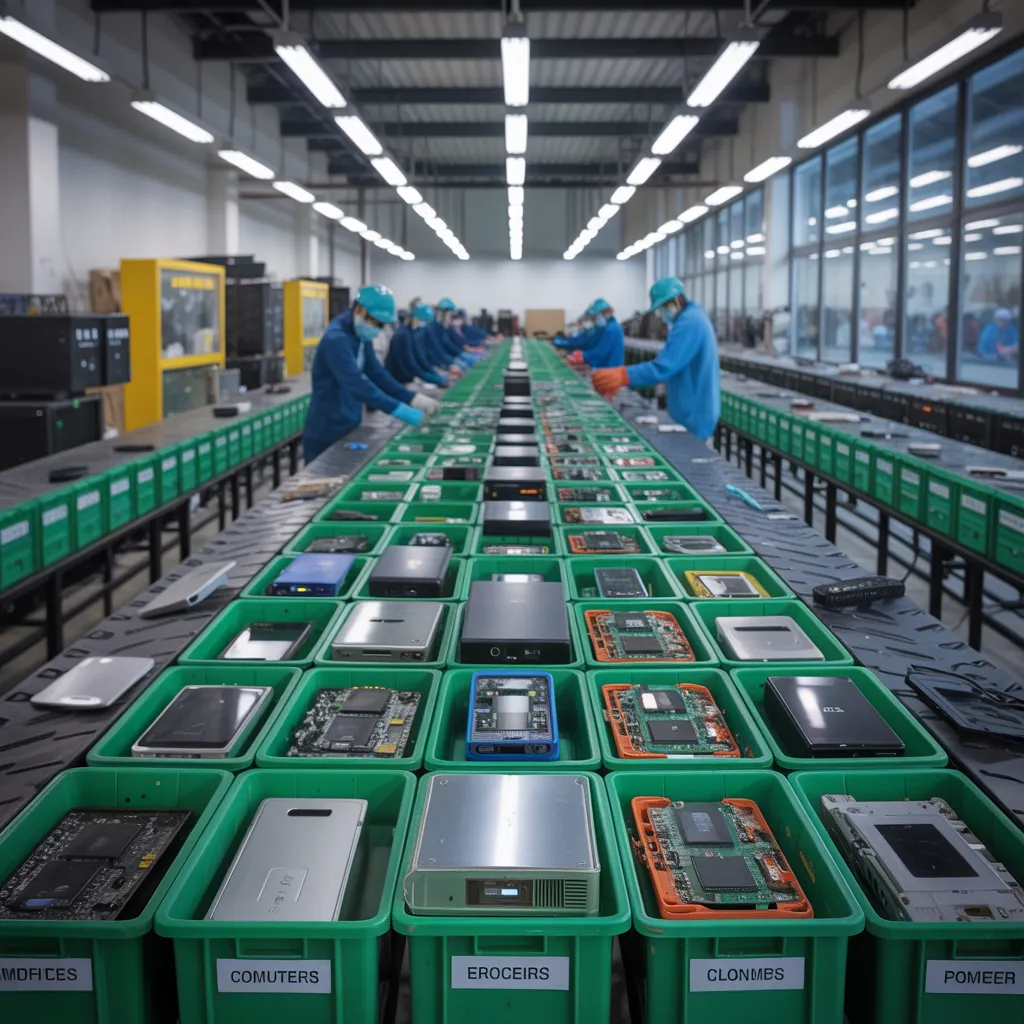
The recycling of e-waste encompasses a structured approach designed to recover valuable materials while minimizing environmental impact. Initially, discarded electronics are retrieved and sent to specialized recycling facilities. Upon arrival, the equipment is meticulously organized to isolate dangerous parts from recoverable materials.
Following this, employees deconstruct the items, extracting metals, plastics, and glass. This step is critical, as it allows for the recovery of rare metals like copper, gold, and silver, which are repurposed in new electronics.
Afterward, the divided materials are handled via state-of-the-art techniques, such as mechanical shredding and chemical processing, to cleanse them for reuse.
Ultimately, the leftover hazardous materials are disposed of responsibly, adhering to eco-friendly standards. This systematic method not only preserves valuable resources but also reduces the dangers associated with irresponsible electronic waste disposal, securing a more eco-conscious future for electronic device usage.
Advantages of E-Waste Recycling for You and Your Community
Although it often goes unnoticed, the positive effects of e-waste recycling reach well past personal use to meaningfully influence entire communities. By responsibly disposing of electronic waste, individuals help foster a cleaner environment, reducing toxic components that can contaminate soil and water. This responsible method actively safeguards local ecosystems and supports public health.
Additionally, electronic waste recycling supports job creation within communities. Local recycling facilities often require personnel for numerous tasks, spanning collection through processing, thereby providing employment opportunities within the community. This not only stimulates the local economy but also fosters community involvement in eco-friendly practices.
Additionally, familiarity with e-waste recycling has the potential to generate learning opportunities, equipping residents to adopt eco-friendly choices. By participating in e-waste recycling programs, individuals nurture a culture of sustainability, prompting others to embrace similar practices. In summary, the shared impact of these actions can contribute to a more sustainable and conscientious community.
Tips for Choosing an E-Waste Recycling Service
Picking the most suitable electronic waste recycling provider is vital for making sure that electronic waste is handled responsibly and sustainably. To begin, people should check the service's certifications, such as R2 and e-Stewards certifications, which signify conformance to industry standards for secure waste disposal procedures. It's also important to assess the provider's standing by reading customer reviews and looking for referrals from reliable sources.
Furthermore, openness in the recycling process is crucial. A reliable provider should offer detailed insights about the manner in which e-waste is managed and what happens to the materials. Additionally, assessing the variety of services available can be advantageous; certain providers may offer collection services or present rewards for recycling.
In addition, understanding regional rules concerning e-waste disposal can further guide the selection process. By taking these elements into account, residents can actively participate in effective e-waste management as well as promoting sustainable environmental efforts.
How You Can Take Part in E-Waste Recycling?
Participating in e-waste recycling can start at the local level, where community recycling hubs often provide essential services for safe disposal. Furthermore, participating in community awareness campaigns can amplify efforts to inform others regarding the importance of proper e-waste handling. These actions not only advance environmental sustainability but also cultivate a collective sense of responsibility toward the environment.
Nearby Recycling Facilities
A wide range of community recycling facilities serve a vital function in e-waste recycling, giving communities practical solutions to manage electronic waste appropriately. These centers accept a wide array of electronic equipment, including outdated computers, mobile phones, and TVs, ensuring that harmful materials are handled safely. The majority of facilities employ trained staff who can guide individuals on proper disposal methods, stressing the significance of recycling instead of landfilling. Moreover, various hubs coordinate drop-off events or designated collection days, allowing residents to take part with ease. Through the use of these community services, community members advance a circular economy, decreasing environmental damage and advancing sustainable approaches. Engaging with these centers enables communities to combat e-waste pollution successfully.
Community Outreach Campaigns
Local organizations, schools, and businesses can collaborate to host events that promote e-waste collection drives. Community members can serve a critical function in spreading awareness, distributing educational materials, and engaging with the community. By means of these joint initiatives, community members grow more knowledgeable and inspired to dispose of their electronics responsibly, thus playing a meaningful role in creating a more environmentally responsible future.
Questions We Often Receive
What Types of Electronics Can Be Recycled?
Various electronics are able to be recycled, including computers, smartphones, televisions, laptops, gaming consoles, and printers. Furthermore, peripherals such as batteries, keyboards, and mice are equally appropriate for recycling, aiding in environmental conservation efforts.
Are There Fees Involved With E-Waste Recycling?
Indeed, e-waste recycling can include costs, based on the service provider. Certain providers charge fees for pickup or handling, while other facilities offer free services, typically funded by the proceeds from salvaged materials.
How Can Businesses Benefit From E-Waste Recycling?
Organizations can gain from e-waste recycling by minimizing disposal costs, enhancing their environmental image, complying with regulations, reclaiming useful materials, and possibly earning income through resale, thereby fostering a more environmentally responsible business approach.
What Becomes of Data on Recycled Devices?
Data regarding refurbished equipment is often irretrievably wiped or eliminated throughout the recycling process. This confirms confidential data stays protected, blocking unwanted intrusion while Get started enabling materials to be recycled safely and responsibly across new manufacturing processes.
Is It Possible to Recycle Damaged Electronics?
Yes, defective electronics can be recycled. Numerous recycling centers take in broken devices, ensuring safe disposal and extraction of useful materials. Doing so helps minimize the environmental footprint while supporting sustainable recycling habits to address electrical waste effectively.